Ghosting in Relationships: How to Heal, Rebuild Your Confidence, and Move Forward
Have you ever had someone suddenly disappear from your life without a phone call, text message, or explanation?
One day everything seems perfectly normal. The next, they're gone.
Whether it happens in a romantic relationship, a friendship, or even within your own family, ghosting can leave behind confusion, heartbreak, and countless unanswered questions.
On a recent episode of the BFF Empowerment Podcast, I had the pleasure of speaking with Gretta Perlmutter, a certified Post-Betrayal Transformation Coach and host of the Coping with Ghosting podcast. Together, we explored why ghosting hurts so deeply, how it affects our emotional well-being, and what true healing looks like.
What Is Ghosting?
Gretta shared a simple but important definition.
Ghosting is ending a personal relationship by suddenly cutting off all communication without explanation.
However, she also made an important distinction.
Ghosting is not the same as leaving an abusive situation to protect yourself. It also isn't the same as stepping away after someone repeatedly violates your boundaries. Those decisions are acts of self-protection and self-respect.
Ghosting is the complete disappearance of communication without closure.
Why Ghosting Hurts So Much
Many people assume ghosting simply causes sadness.
In reality, it often creates something much deeper.
Gretta explained that ghosting can impact far more than our emotions. It can affect sleep, appetite, stress levels, confidence, trust, and even the nervous system. The lack of answers often leaves people replaying conversations, questioning themselves, and wondering what they did wrong.
For many, the silence becomes louder than words ever could.
My Own Realization
During our conversation, something unexpected happened.
When Gretta asked about my experiences, my first response was that I had never been ghosted.
But as we continued talking, I realized that wasn't actually true.
I shared two situations that completely changed my perspective.
One involved someone I briefly dated who disappeared after realizing I wasn't interested in moving the relationship forward physically. Nearly two years later, he suddenly reached back out as though no time had passed.
The second experience was much more personal.
Someone I considered family unexpectedly stopped communicating with me for years without any explanation. The silence didn't just affect me—it also affected my son, who had built a close relationship with her.
That conversation reminded me that ghosting doesn't only happen in dating relationships. It can happen between friends, family members, and people we love deeply.
When Someone Comes Back
One of the most valuable parts of our discussion was Gretta's advice about what to look for if someone who ghosted you returns.
She explained that rebuilding a relationship requires much more than simply picking up where things left off.
According to Gretta, healthy reconciliation includes:
- Taking full responsibility for disappearing.
- Offering a sincere apology.
- Showing empathy for the hurt they caused.
- Asking what they can do to rebuild trust.
- Demonstrating consistent actions over time.
Trust isn't rebuilt through promises.
It's rebuilt through consistent behavior.
That reminder really resonated with me.
Learning Not to Blame Yourself
One topic we both connected on was self-worth.
There was a time in my life when I constantly questioned myself after relationships ended.
I wondered if my expectations were too high.
I wondered if I was somehow the problem.
After years of healing, I eventually realized something important.
There's a difference between expecting perfection and expecting healthy communication, respect, consistency, and emotional maturity.
Those aren't unrealistic expectations.
They're healthy ones.
Sometimes relationships end because people simply aren't capable of meeting us where we are.
That doesn't mean there's something wrong with us.
Healing Starts Within
Gretta shared how her own experiences with ghosting eventually inspired her life's work.
Rather than allowing painful experiences to define her, she chose to learn healthier boundaries, improve her self-talk, develop secure relationships, and rebuild her confidence from the inside out.
That message aligns perfectly with what I believe here on the BFF Empowerment Podcast.
Healing isn't about pretending the hurt never happened.
It's about refusing to let that hurt define your future.
Protect Your Peace
Another part of our conversation focused on something many people overlook—the impact of what we consume every day.
We discussed how constant exposure to negative news and social media can increase stress and anxiety.
Being intentional about what you allow into your mind is an important form of self-care.
Protecting your peace doesn't mean ignoring reality.
It means recognizing that your mental and emotional health matter.
Final Thoughts
Ghosting leaves questions that often never receive answers.
But healing doesn't require someone else's explanation.
Healing begins the moment you stop measuring your worth by someone else's inability to communicate.
Your value has never depended on whether someone chose to stay.
The right people won't leave you wondering where you stand.
They'll communicate.
They'll respect you.
They'll value the relationship enough to have difficult conversations.
And most importantly, they'll choose consistency over convenience.
If you've experienced ghosting, betrayal, or heartbreak, know that you are not alone. Healing is possible, and every step you take toward loving yourself, setting healthy boundaries, and protecting your peace brings you closer to the life and relationships you deserve.
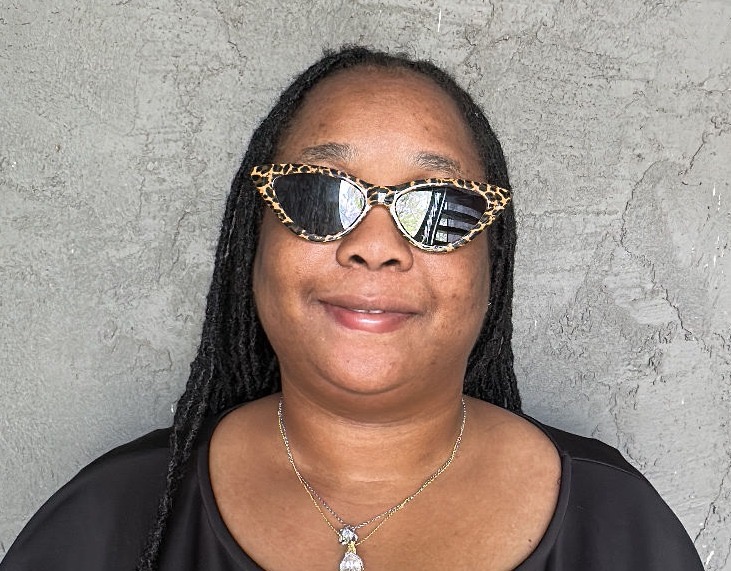
Author/Poet/Motivational Speaker/Entrepreneur/Podcast Host/Pageant Titleholder/Advocate/Women's Empowerment Coach/Mom
Blaque Diamond is a powerhouse of resilience, creativity, and purpose. Known as a motivational speaker, award-winning author, poet, podcaster, and advocate, she has transformed a life marked by adversity into a mission rooted in empowerment, visibility, and hope.
Blind since the age of 15 due to childhood abuse and medical neglect that resulted in irreversible retinal detachment, Blaque Diamond refused to let her circumstances define her limitations. Instead, she embraced her journey with courage and faith, earning the nickname “No Limits” for her unwavering belief that obstacles are not stop signs—but stepping stones.
Also being a survivor of sexual abuse and a 2x time domestic violence survivor, marred her life with strife and tested her endurance and ability to bounce back, but those traumas that were meant to break her only further harden her. Making her unbreakable.
She is a 15-time published author, having written books across multiple genres including memoir, poetry, urban fiction, and children’s literature. Several of her works have received national awards, further solidifying her voice as one that both challenges and inspires. Her writing is deeply personal yet universally relatable, often centering themes of healing, self-worth, survival, and triumph.
Beyond writing and self-publishing books,, Blaque Diamond is also a songwriter, having released 3 R&B EP’s with music that reflects emotional depth, vulnerability, and growth. Each creative outlet she touches becomes another avenue for storytelling and empowerment.
As the host and creator of … Read More