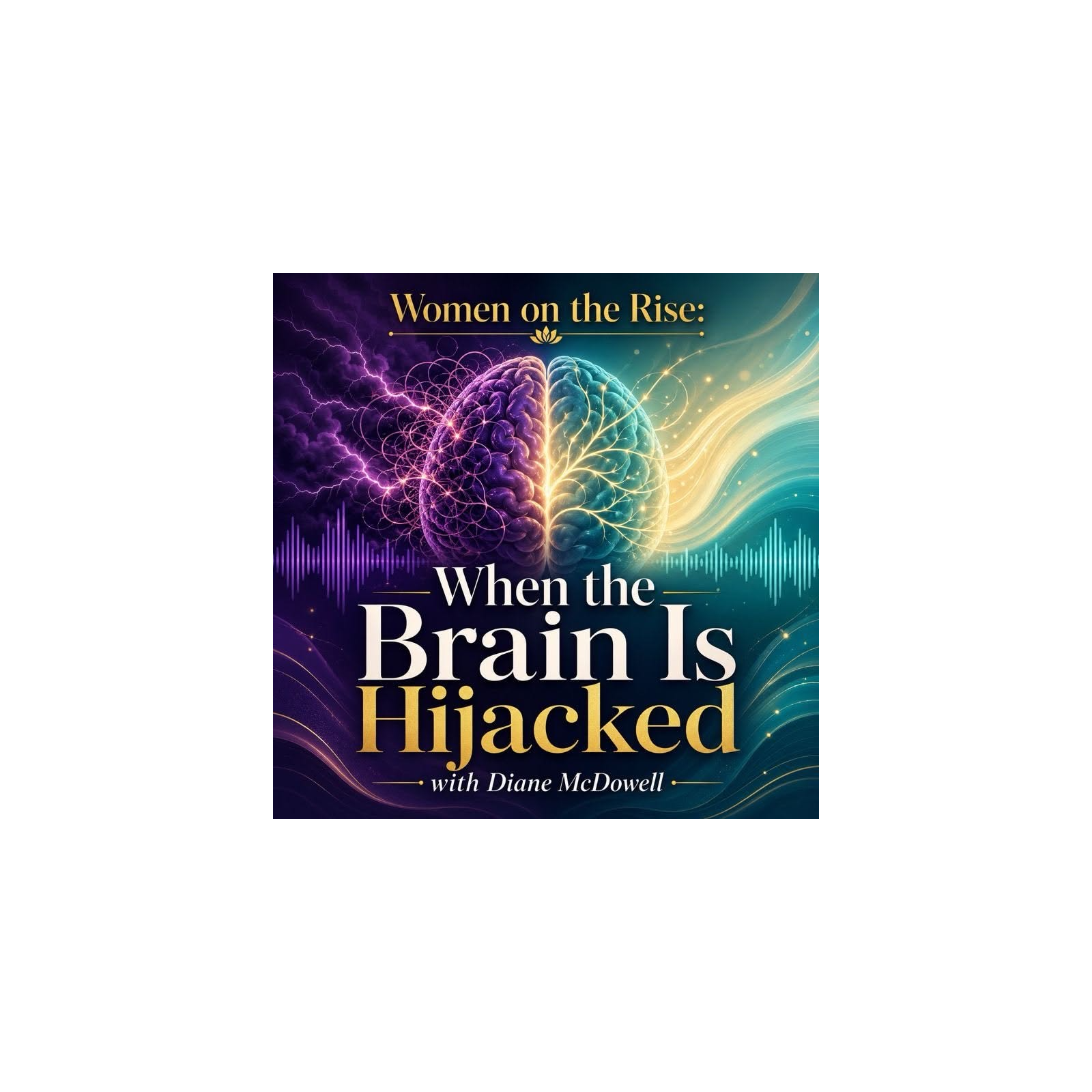
Emotional Safety, People Pleasing, Grief, and Healing
On this episode of the BFF Empowerment Podcast, I had the pleasure of speaking with Diane McDowell, a therapist and coach who specializes in what she calls the brain hijack—those moments when our nervous system takes over and keeps us from showing up the way we truly want to in relationships, conversations, and everyday life.
This conversation was powerful because it touched so many areas of healing: childhood trauma, people pleasing, emotional safety, grief, disability, self-worth, and learning how to become more aware of what is happening inside of us.
Diane’s Story: From Survival to Helping Others Heal
Diane shared that she was raised in a religious cult until the age of 14. When her family left, she experienced major culture shock. She was placed in seventh grade, struggled with dyslexia, and did not have a clear understanding of healthy relationships.
Because of her upbringing, Diane found herself struggling with people pleasing and searching for connection in ways that were not always healthy. But over time, those experiences became part of what led her into the field of therapy.
She explained that because reading and traditional bookwork were difficult for her due to dyslexia, she became highly intuitive with people. She learned to pay close attention, listen deeply, and understand emotions in a powerful way. Eventually, that gift became part of her purpose.
What Is a Brain Hijack?
One of the main topics Diane discussed was the idea of the brain being “hijacked.”
A brain hijack happens when our nervous system senses danger, even when we may not be in actual danger. For people who have experienced trauma, the brain can become trained to constantly scan for what might go wrong.
That means in relationships, friendships, work situations, or even parenting, we may react from fear, pressure, or survival instead of calmness and clarity.
Diane explained that our brain is not trying to sabotage us. It is trying to protect us. The problem is that sometimes it reacts to emotional discomfort as if it is a true threat.
She compared it to a dog barking when someone comes to the door. The dog is not necessarily being vicious; it is alerting. In the same way, our brain may be alerting us to something it thinks is dangerous, even if the situation does not require that level of alarm.
Emotional Safety Is Your Responsibility
One of the strongest lessons Diane shared was this:
Your emotional safety is your responsibility.
At first, that may sound harsh, but Diane explained that when we take responsibility for our emotional safety, we also take back our power.
Many people outsource their emotional safety to others. We may think, “If they change, then I’ll feel better,” or “If they act differently, then I’ll be okay.” But when we place our peace completely in someone else’s hands, we lose control over our own healing.
That does not mean other people’s actions do not matter. It means we cannot make someone else responsible for our entire emotional world.
As I shared in the conversation, this is something I often speak about as a motivational speaker. Other people can support us, encourage us, and contribute to our happiness, but our motivation, peace, and sense of self must begin within us.
People Pleasing Can Cause Us to Lose Ourselves
Diane also gave a powerful perspective on people pleasing. She said:
People pleasing is lying when it causes you to betray yourself.
That does not mean kindness is wrong. Helping others, being supportive, and caring about people are beautiful things. The problem comes when we are constantly saying yes while our spirit is saying no.
People pleasing becomes harmful when it is done at the expense of our own peace, truth, and self-respect.
Many of us have stayed in relationships, friendships, or situations longer than we should have because we did not want to disappoint someone else. We may have played a role, stayed quiet, or pretended everything was fine just to keep the peace.
But every time we do that, we chip away at our relationship with ourselves.
Becoming the “Wise Watcher”
One of the first tools Diane teaches is becoming what she calls the wise watcher.
The wise watcher is the part of us that can step back and observe what is happening without immediately getting pulled into emotional drama.
Diane used a powerful example: you cannot read a piece of paper when it is pressed against your nose because it is too close. In the same way, when we are too close to our emotions, thoughts, and triggers, we may not be able to see clearly.
Becoming the wise watcher means stepping back enough to notice:
“What am I thinking?”
“What am I feeling?”
“What story am I adding to this situation?”
“Am I reacting from truth, or am I reacting from fear?”
This helps us separate what actually happened from the meaning our brain may be attaching to it.
Facts vs. Brain Drama
Another important lesson Diane shared was the difference between facts and brain drama.
A fact is something provable. For example, if someone says, “I’m upset,” that is a fact. They said they were upset.
Brain drama is everything we add after that, such as:
“They don’t love me.”
“They are going to leave me.”
“I’m not good enough.”
“They are judging me.”
Diane explained that a lot of our pain comes from the meaning we attach to someone else’s words or actions. The words themselves may be neutral, but our past experiences, fears, and wounds can turn them into something much bigger.
Learning to separate facts from brain drama can help us respond from a calmer place.
You Are Already Lovable, Valuable, and Worthy
One of the most powerful parts of the conversation was when Diane said that we are all 100% lovable, valuable, and worthy.
Someone else’s ability to see that is a reflection of them—not us.
So often, we try to prove our worth. We try to prove we are lovable. We try to prove we are enough. But Diane reminded us that our worth is not something we have to earn.
This part of the conversation deeply connected with me as a blind woman. I shared how society’s perception of blindness can sometimes affect how blind people see themselves. Too often, people assume that blindness means helplessness, sadness, or a lack of quality of life.
But I am not sorry that I am blind. I live a full, rich, meaningful life. I am a mother, author, podcaster, speaker, pageant titleholder, creator, and so much more.
The way society sees us does not define who we are.
Grieving What We Have Lost
This conversation also opened the door to a deeper discussion about grief.
Many people only think of grief in connection with death, but grief can come from many types of loss: the loss of a relationship, a job, a dream, a former version of ourselves, or even the loss of sight.
I shared that after becoming blind due to child abuse, I never truly grieved the loss of my sight. I moved forward, learned Braille, adapted, and rebuilt my life. But there were still emotions tucked away that I had not fully processed.
Before losing my sight, I was very artistically gifted and had been accepted into a performing arts school for visual art. Then suddenly, that path was gone. Although I still express myself creatively through writing, poetry, music, and building with Legos, I had to grieve the part of my creativity that was connected to visual art.
Diane explained that grief lives in the body. It is not just something we think about. It is something we experience physically and emotionally.
She suggested creating a safe space where you can sit with your grief, play music that matches what you feel, and notice where the emotions show up in your body. Healing does not always mean feeling good right away, but it can bring release.
Mindset vs. Nervous System Safety
Diane made an important distinction between mindset work and nervous system safety.
Positive affirmations and mindset shifts can be helpful, but they do not automatically change the nervous system. Diane explained that true healing involves creating new neural pathways in the brain through repeated practice.
This is where neuroplasticity comes in—the brain’s ability to change and form new patterns.
Diane encourages people to practice stepping into the identity of the person they are becoming. She recommends visualizing that future self and asking questions like:
Who is she?
How does she speak?
How does she handle conflict?
How does she dress?
Who does she spend time with?
How does she show up in relationships?
The more we practice becoming that version of ourselves, the more natural it begins to feel.
Turning On Your Safety Switch
Diane also spoke about learning how to turn on your own safety switch.
When your safety switch is on, you do not tiptoe. You do not overexplain. You do not lose your self-respect. You are grounded, calm, and okay with someone not agreeing with your decision.
This is especially important in conflict.
Diane shared how she learned that when she was emotionally hijacked during disagreements, especially in her marriage, she needed to pause before continuing the conversation. Instead of saying hurtful things from a triggered place, she learned to step away and return when she was calmer.
But she also explained that it is important to reassure the other person. Instead of simply walking away, you can say something like:
“I love you, and we are going to be okay. I need to take a break so I don’t say something hurtful.”
That communicates that you are not rejecting the person. You are taking care of yourself.
Final Thoughts
This episode was a beautiful reminder that healing is not about becoming perfect. It is about becoming aware.
It is about learning how your brain protects you, understanding your triggers, honoring your emotions, and taking responsibility for your emotional safety.
It is about knowing that you do not have to people please to be loved. You do not have to prove your worth. You do not have to live trapped in old patterns.
You can become the wise watcher.
You can turn on your safety switch.
You can grieve what you have lost while still honoring who you are becoming.
And most importantly, you can fall completely in love with yourself by learning who you truly are.
To learn more about Diane McDowell and access her free resources, visit www.emotionalsafetyco.com
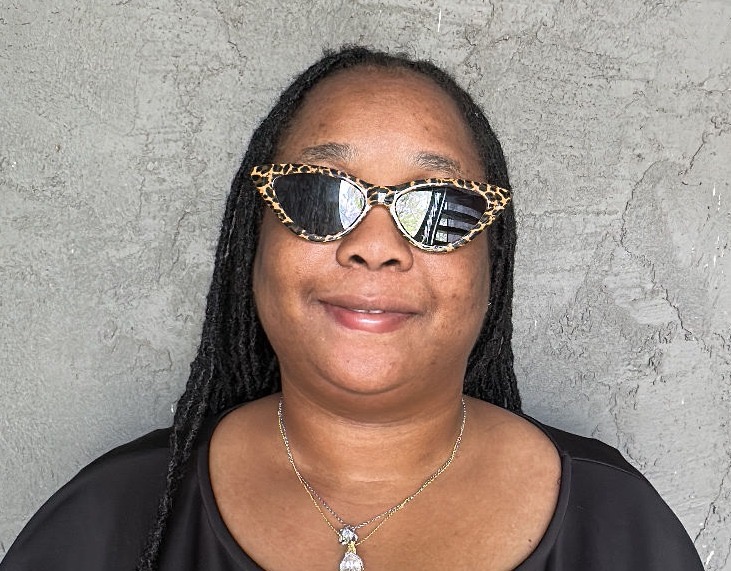
Author/Poet/Motivational Speaker/Entrepreneur/Podcast Host/Pageant Titleholder/Advocate/Women's Empowerment Coach/Mom
Blaque Diamond is a powerhouse of resilience, creativity, and purpose. Known as a motivational speaker, award-winning author, poet, podcaster, and advocate, she has transformed a life marked by adversity into a mission rooted in empowerment, visibility, and hope.
Blind since the age of 15 due to childhood abuse and medical neglect that resulted in irreversible retinal detachment, Blaque Diamond refused to let her circumstances define her limitations. Instead, she embraced her journey with courage and faith, earning the nickname “No Limits” for her unwavering belief that obstacles are not stop signs—but stepping stones.
Also being a survivor of sexual abuse and a 2x time domestic violence survivor, marred her life with strife and tested her endurance and ability to bounce back, but those traumas that were meant to break her only further harden her. Making her unbreakable.
She is a 15-time published author, having written books across multiple genres including memoir, poetry, urban fiction, and children’s literature. Several of her works have received national awards, further solidifying her voice as one that both challenges and inspires. Her writing is deeply personal yet universally relatable, often centering themes of healing, self-worth, survival, and triumph.
Beyond writing and self-publishing books,, Blaque Diamond is also a songwriter, having released 3 R&B EP’s with music that reflects emotional depth, vulnerability, and growth. Each creative outlet she touches becomes another avenue for storytelling and empowerment.
As the host and creator of … Read More