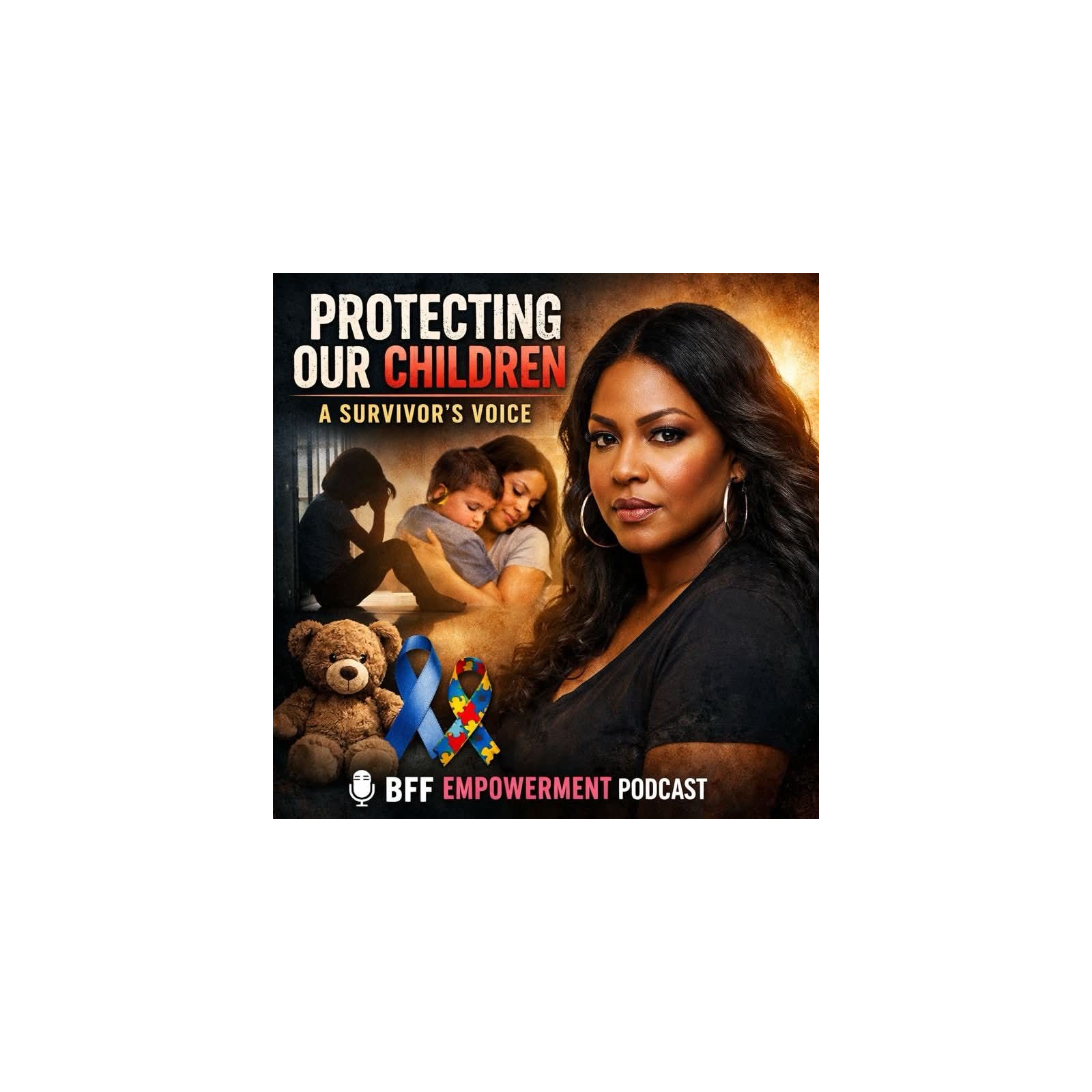
Protecting Our Children: Healing, Awareness, and Loving Them Where They Are
On this episode of the BFF Empowerment Podcast, I wanted to have a real and heartfelt conversation about children. April brings awareness to several important causes, and two that are deeply personal to me are Child Abuse Prevention Month and Autism Awareness/Acceptance Month.
This episode does come with a trigger warning because I talk about child abuse, childhood trauma, and some of my own lived experiences. I know this topic can be heavy, especially for survivors, so I want listeners to take care of themselves while listening.
As a survivor of child abuse, I know what it feels like to be hurt by someone who was supposed to protect you. I know what it feels like to grow up in an environment where you are afraid, confused, and trying to survive. One of the hardest parts of my story is knowing that there were people who suspected something was wrong, but no one truly stepped in to help.
That is why this conversation matters.
Children cannot always speak up for themselves. Sometimes they are too afraid. Sometimes they do not have the words. Sometimes they have been taught to stay silent. That means it is up to adults, families, neighbors, teachers, and community members to pay attention. If something does not seem right, we cannot ignore it. A child’s safety may depend on someone being brave enough to make a report, ask questions, or take action.
No child deserves to be abused. No child deserves to be beaten, neglected, emotionally harmed, or made to feel worthless. Children deserve love, patience, guidance, safety, and protection. They deserve adults who will pour into them, not tear them down.
In the second part of this episode, I also talk about my journey as the mother of a child with special needs. My son is on the autism spectrum, and our journey has included developmental delays, school challenges, communication struggles, separation anxiety, ADHD, ODD, and moments where I have had to advocate hard for him.
Parenting a child with special needs is not always easy. There are moments of frustration, confusion, and exhaustion. But there are also moments of joy, growth, personality, laughter, and love. My son may learn differently, communicate differently, and experience the world differently, but he is still worthy of patience, understanding, and respect.
One thing I want people to understand is that every child is different. We cannot force children to fit into one mold. Some children need extra support. Some children need more time. Some children need adults to look beyond behavior and ask, “What is this child trying to communicate?”
Whether we are talking about protecting children from abuse or supporting children with disabilities, the message is the same: children deserve to be seen, heard, loved, protected, and understood.
This episode is personal. It is emotional. But it is also necessary. My hope is that it encourages someone to pay closer attention, speak up when something feels wrong, and show more compassion toward children who may be struggling in ways we cannot always see.
Because every child matters.
And every child deserves to be safe.
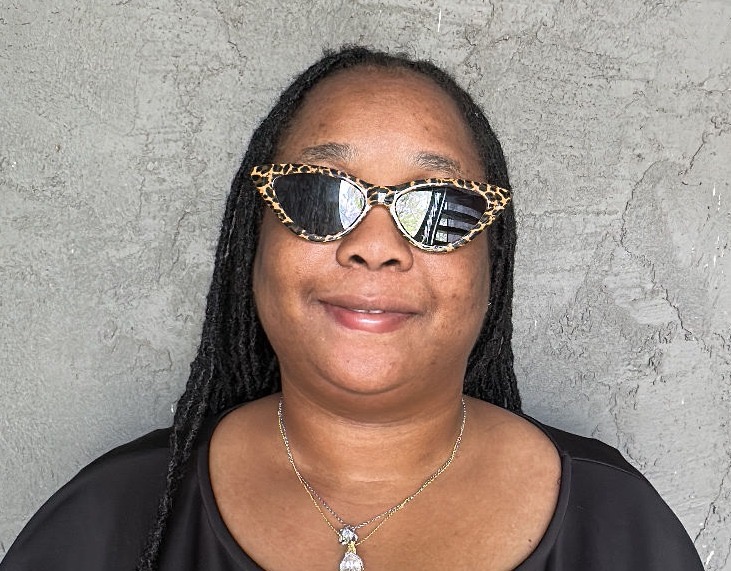
Author/Poet/Motivational Speaker/Entrepreneur/Podcast Host/Pageant Titleholder/Advocate/Women's Empowerment Coach/Mom
Blaque Diamond is a powerhouse of resilience, creativity, and purpose. Known as a motivational speaker, award-winning author, poet, podcaster, and advocate, she has transformed a life marked by adversity into a mission rooted in empowerment, visibility, and hope.
Blind since the age of 15 due to childhood abuse and medical neglect that resulted in irreversible retinal detachment, Blaque Diamond refused to let her circumstances define her limitations. Instead, she embraced her journey with courage and faith, earning the nickname “No Limits” for her unwavering belief that obstacles are not stop signs—but stepping stones.
Also being a survivor of sexual abuse and a 2x time domestic violence survivor, marred her life with strife and tested her endurance and ability to bounce back, but those traumas that were meant to break her only further harden her. Making her unbreakable.
She is a 15-time published author, having written books across multiple genres including memoir, poetry, urban fiction, and children’s literature. Several of her works have received national awards, further solidifying her voice as one that both challenges and inspires. Her writing is deeply personal yet universally relatable, often centering themes of healing, self-worth, survival, and triumph.
Beyond writing and self-publishing books,, Blaque Diamond is also a songwriter, having released 3 R&B EP’s with music that reflects emotional depth, vulnerability, and growth. Each creative outlet she touches becomes another avenue for storytelling and empowerment.
As the host and creator of … Read More