Disability Pride Month: Breaking the Myths About Blindness and Autism
Every July, Disability Pride Month gives us an opportunity to celebrate the strength, resilience, and diversity of the disability community. But for me, disability pride isn't something I celebrate just one month out of the year. It's something I live every single day.
As a blind woman for more than two decades and the mother of a son with autism, I've experienced disability from two very different perspectives. One is my own lived experience. The other is through the eyes of a parent learning, growing, and advocating alongside her child.
Unfortunately, many of the beliefs society holds about disabilities are rooted in myths rather than facts.
In the latest episode of the BFF Empowerment Podcast, I tackle some of the biggest misconceptions surrounding blindness and autism and explain why these stereotypes do more harm than good.
What Does Disability Pride Really Mean?
Some people hear the phrase Disability Pride and assume it means we're celebrating having a disability.
That's not it at all.
Disability pride means embracing who we are without shame. It means refusing to let society define our worth by what we can or cannot do. Our disabilities may be part of our stories, but they are not the entirety of who we are.
We are people first.
Five Common Myths About Blindness
During this episode, I unpack myths that many blind people hear all the time, including:
- All blind people see complete darkness.
- Blind people are helpless.
- Blind people can't have successful careers.
- Blind people are automatically inspirational simply because they're blind.
- Blind people have "superhuman" hearing.
Through personal stories and real-life examples, I explain why blindness exists on a spectrum and why independence looks different for everyone.
Five Common Myths About Autism
As the mother of a child with autism, I've also learned just how misunderstood autism continues to be.
In this episode, we discuss myths such as:
- Every autistic person is the same.
- Autistic people don't have emotions.
- Children with autism simply need more discipline.
- People with autism can't live successful, fulfilling lives.
- Autism is caused by bad parenting.
These misconceptions often create barriers that are far more limiting than the disability itself.
The Real Barrier Isn't Always Disability
One of the biggest takeaways from this conversation is this:
Disability does not automatically mean dependency.
Many of the challenges people with disabilities face aren't caused by the disability itself—they're caused by inaccessible environments, low expectations, and a lack of understanding.
When we replace assumptions with education and stereotypes with compassion, we create opportunities instead of obstacles.
Keep Advocating. Keep Adapting. Keep Moving Forward.
Whether you're living with a disability, raising a child with one, supporting a loved one, or simply wanting to become a better ally, remember this:
Don't let someone else's perception determine your potential.
There may be things we have to do differently, but different doesn't mean impossible. Success isn't about doing everything the same way everyone else does. It's about finding the path that works for you and refusing to give up.
Every step forward matters.
Listen to the Full Episode
If you're ready for an honest, educational, and empowering conversation about disability pride, inclusion, and breaking down harmful stereotypes, don't miss this episode of the BFF Empowerment Podcast.
Be sure to subscribe, leave a review, and share this episode with someone who could benefit from a fresh perspective. Together, we can replace myths with understanding and continue building a world where everyone has the opportunity to thrive.
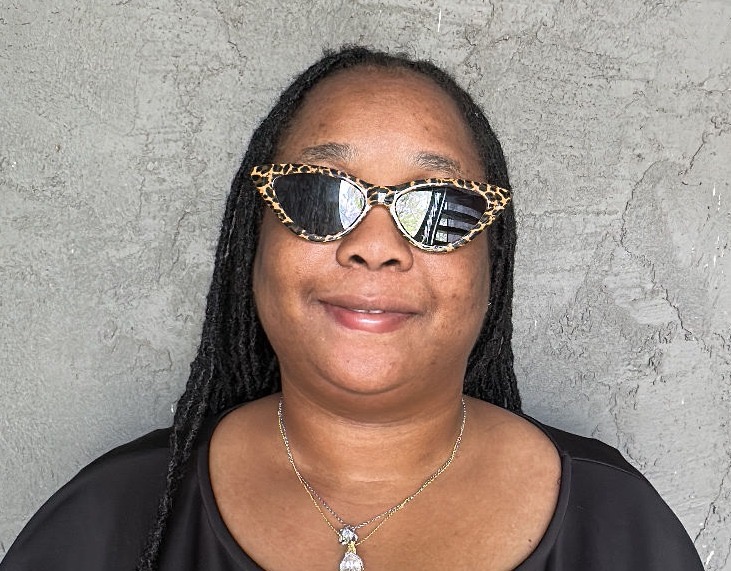
Author/Poet/Motivational Speaker/Entrepreneur/Podcast Host/Pageant Titleholder/Advocate/Women's Empowerment Coach/Mom
Blaque Diamond is a powerhouse of resilience, creativity, and purpose. Known as a motivational speaker, award-winning author, poet, podcaster, and advocate, she has transformed a life marked by adversity into a mission rooted in empowerment, visibility, and hope.
Blind since the age of 15 due to childhood abuse and medical neglect that resulted in irreversible retinal detachment, Blaque Diamond refused to let her circumstances define her limitations. Instead, she embraced her journey with courage and faith, earning the nickname “No Limits” for her unwavering belief that obstacles are not stop signs—but stepping stones.
Also being a survivor of sexual abuse and a 2x time domestic violence survivor, marred her life with strife and tested her endurance and ability to bounce back, but those traumas that were meant to break her only further harden her. Making her unbreakable.
She is a 15-time published author, having written books across multiple genres including memoir, poetry, urban fiction, and children’s literature. Several of her works have received national awards, further solidifying her voice as one that both challenges and inspires. Her writing is deeply personal yet universally relatable, often centering themes of healing, self-worth, survival, and triumph.
Beyond writing and self-publishing books,, Blaque Diamond is also a songwriter, having released 3 R&B EP’s with music that reflects emotional depth, vulnerability, and growth. Each creative outlet she touches becomes another avenue for storytelling and empowerment.
As the host and creator of … Read More