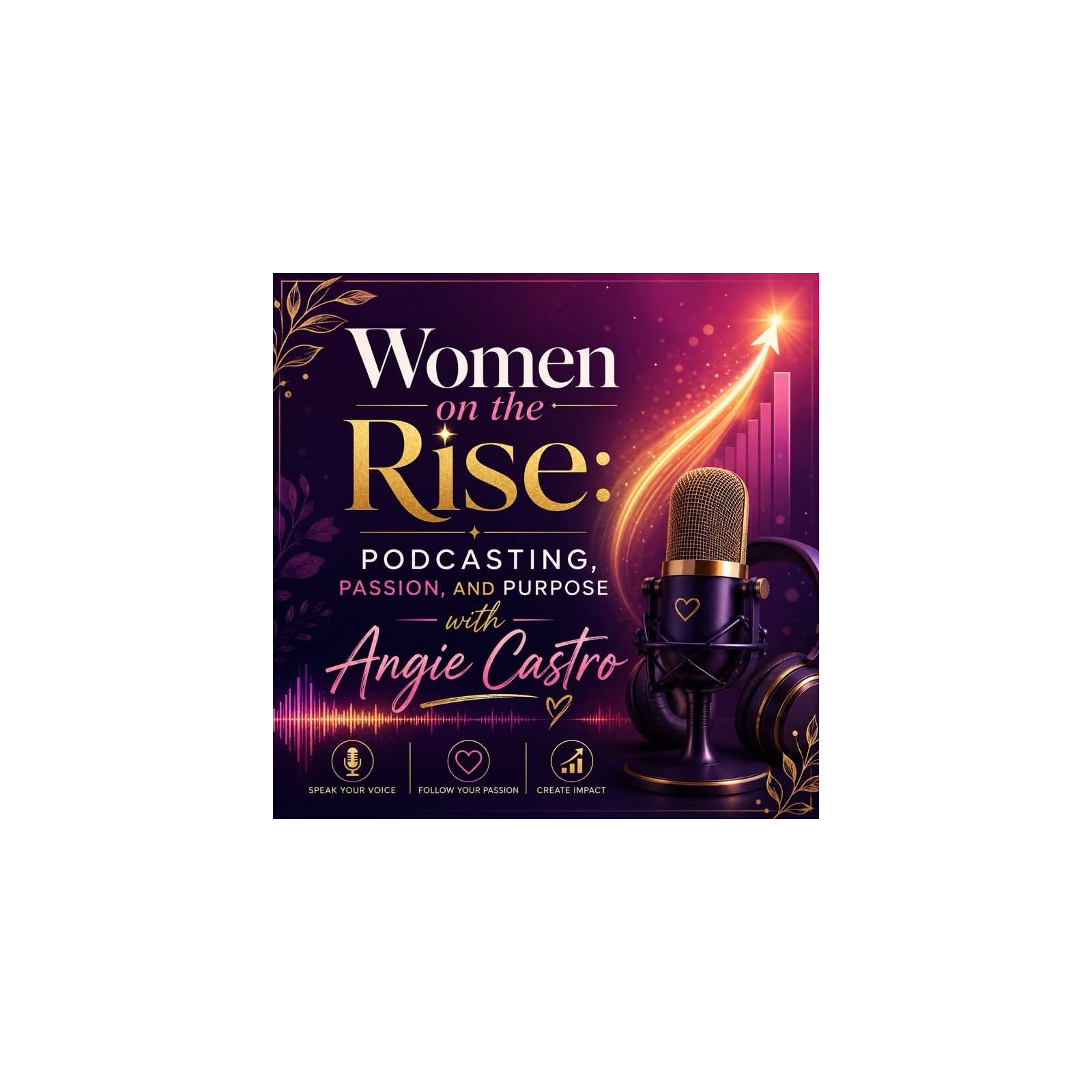
Blindness, Passion, and the Power of Building Your Own Dream
On this episode of the BFF Empowerment Podcast, I had the pleasure of speaking with Angie Castro, a blind podcaster, administrative assistant, fashion lover, music lover, and proud guide dog handler. Angie is the host of This Is What Blind Looks Like, a podcast that has been running for eight years and focuses on blindness, advocacy, identity, and real conversations from the blind and visually impaired community.
From the very beginning of our conversation, Angie and I connected over something we both understand deeply: podcasting is not just sitting behind a microphone. It is planning, recording, editing, promoting, showing up consistently, and continuing even when the work becomes heavy. Both of us know what it feels like to carry a passion project on our shoulders because we believe in the purpose behind it.
Creating a Platform with Purpose
Angie shared that her podcast began as something she kept speaking about before she finally took action. While studying audio engineering, she knew she wanted to create a blindness-related podcast. She had the name, the vision, and the passion, but needed the push to actually begin.
Eventually, someone told her to stop talking about it and do it. That moment helped her move from dreaming to building.
That part of Angie’s story is powerful because so many people have ideas, dreams, and visions sitting inside of them. Sometimes the difference between wishing and becoming is the decision to finally start.
Her podcast, This Is What Blind Looks Like, was born from a phrase many blind people hear too often: “You don’t look blind.” Angie wanted to challenge that misconception because blindness does not have one specific look. Blindness can look different from person to person, and her platform allows those stories to be heard.
More Than Blindness
Although Angie’s podcast centers around blindness, she is so much more than her disability. Throughout our conversation, she spoke about her love for fashion, makeup, shoes, handbags, music, cooking, and her guide dog, Draco.
Draco, a black Labrador, is not only her guide dog but also her baby. Angie shared how he goes to work with her, supports her independence, and even matches her outfits with ties, bow ties, or bandanas. While guide dogs are working animals, Angie reminds us that they are also companions and part of a person’s everyday life.
Her love for fashion also stood out. Angie described herself as a fashionista, and we talked about how style is a form of self-expression. Being blind does not remove someone’s desire to look good, feel confident, or show personality through clothing.
Independence in the Kitchen
One of the most beautiful parts of the conversation was our discussion about cooking. Angie shared that she uses both her remaining vision and nonvisual skills, especially in the kitchen. She talked about attending blindness adjustment training, learning new techniques, and becoming more confident with cooking.
We connected over how important cooking can be for independence. I shared my own experience of becoming blind at 15 and having to teach myself how to cook, do laundry, use a computer, and take care of myself without formal training or support.
Cooking became more than preparing food. It became proof that we were capable.
Angie also shared memories of cooking with her mom and learning family recipes. She talked about making dishes like arroz con gandules and pupusas, and how cooking can carry culture, memory, and connection.
Advocacy, Disability, and Motherhood
This conversation also opened the door to talking about advocacy. I shared my journey as a blind single mother raising a son with autism, ADHD, separation anxiety disorder, ODD, and PDA profile. Angie, who also identifies as neurodivergent because she has ADHD, understood how important advocacy is for children with disabilities.
We talked about how parents know their children best and how important it is to fight for the support, services, and understanding they need. For me, teaching my son independence is deeply personal because I know what it feels like to have to figure life out alone.
As mothers, advocates, and disabled women, we understand that independence is not just a skill. It is protection. It is preparation. It is empowerment.
The Reality of Job Searching While Blind
Angie and I also discussed the challenges blind people often face when searching for employment. Angie shared how difficult job searching can be, even when you have skills, experience, and the desire to work.
She now works as an administrative assistant at a respite center for children with disabilities, and she expressed how grateful she is to be in a workplace where she feels accepted and where Draco is accepted as part of the team.
We also talked about the discrimination that many disabled people face in the workplace. Too often, employers focus on the disability instead of the person’s ability, qualifications, and work ethic. Angie made an important point: many blind and disabled people want to work, contribute, and succeed, but they are not always given the opportunity.
Don’t Just Talk About the Dream—Do It
One of Angie’s strongest messages to listeners was this: if you have a passion or a dream, do it.
Do not just talk about it. Do not keep waiting for the perfect moment. Do not let fear make you regret what you never tried.
Angie spoke about manifestation and how she believes speaking things out loud can help bring them to life. She manifested her guide dog, Draco. She manifested the kind of job she wanted. She manifested her podcast before it ever became real.
Her story is a reminder that dreams require action, but they also require belief. You have to believe enough in what you want to start, even when you do not have every answer.
Angie’s journey reminds us that blindness does not define what we can become. Our challenges may shape us, but they do not have to stop us.
Final Thoughts
This episode of the BFF Empowerment Podcast is a beautiful reminder that your dream is worth pursuing. Whether you are building a podcast, looking for a job, raising a child, learning independence, advocating for yourself, or starting over, your story matters.
You do not have to have everything figured out before you begin. Sometimes you simply have to take the first step, speak the dream out loud, and keep going.
Because when passion meets purpose, there truly are no limits.
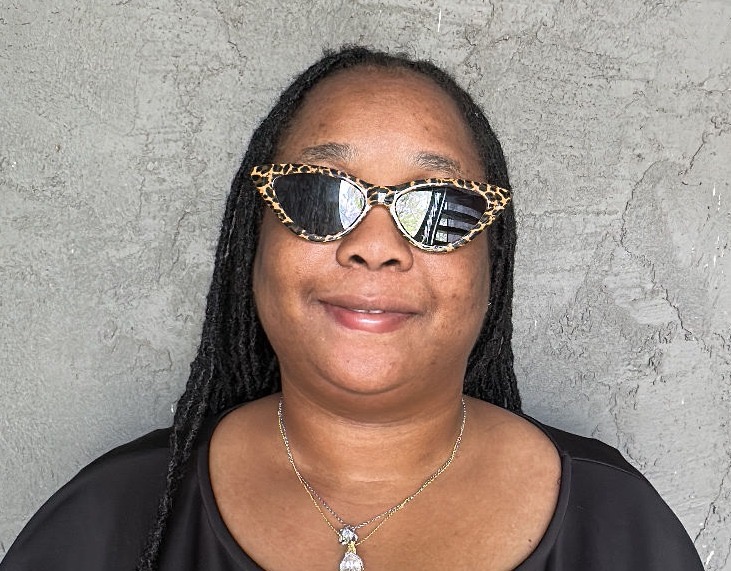
Author/Poet/Motivational Speaker/Entrepreneur/Podcast Host/Pageant Titleholder/Advocate/Women's Empowerment Coach/Mom
Blaque Diamond is a powerhouse of resilience, creativity, and purpose. Known as a motivational speaker, award-winning author, poet, podcaster, and advocate, she has transformed a life marked by adversity into a mission rooted in empowerment, visibility, and hope.
Blind since the age of 15 due to childhood abuse and medical neglect that resulted in irreversible retinal detachment, Blaque Diamond refused to let her circumstances define her limitations. Instead, she embraced her journey with courage and faith, earning the nickname “No Limits” for her unwavering belief that obstacles are not stop signs—but stepping stones.
Also being a survivor of sexual abuse and a 2x time domestic violence survivor, marred her life with strife and tested her endurance and ability to bounce back, but those traumas that were meant to break her only further harden her. Making her unbreakable.
She is a 15-time published author, having written books across multiple genres including memoir, poetry, urban fiction, and children’s literature. Several of her works have received national awards, further solidifying her voice as one that both challenges and inspires. Her writing is deeply personal yet universally relatable, often centering themes of healing, self-worth, survival, and triumph.
Beyond writing and self-publishing books,, Blaque Diamond is also a songwriter, having released 3 R&B EP’s with music that reflects emotional depth, vulnerability, and growth. Each creative outlet she touches becomes another avenue for storytelling and empowerment.
As the host and creator of … Read More