Breaking the Silence Around Intimacy, Healing, and Self-Discovery
For generations, women have been taught that conversations about sex should remain hidden behind closed doors. Many of us grew up believing that discussing our bodies, pleasure, or intimacy was embarrassing, inappropriate, or even shameful. But what if those conversations are exactly what we need to heal, grow, and become more confident in ourselves?
On this episode of the BFF Empowerment Podcast, I had the privilege of sitting down with licensed clinician and certified sex therapy practitioner Caroline Hood for one of the most honest and empowering conversations we’ve had on the show. Together, we explored why it’s time for women to reclaim their voices when it comes to sexual wellness and intimacy.
Why We Need to Talk About Sexual Wellness
One of the biggest takeaways from our conversation is that silence often creates shame. Many women were never taught about healthy sexuality beyond warnings about pregnancy or sexually transmitted infections. Conversations about consent, pleasure, communication, emotional intimacy, and understanding our own bodies were often missing entirely. When we don’t have these conversations, many women grow into adulthood feeling confused, embarrassed, or afraid to ask questions about their own bodies. Sexual wellness is more than physical intimacy. It’s about education, confidence, communication, boundaries, and understanding yourself.
My Personal Journey During this episode
I opened up about my own experiences growing up in a household where sex was considered a forbidden topic. Outside of learning about menstrual cycles and seeing frightening images of sexually transmitted diseases, there were very few conversations about healthy relationships or understanding my own body.
As a survivor of sexual abuse, my relationship with intimacy became even more complicated. Healing wasn’t easy, but one decision changed everything. I decided I would never again be uninformed about my own body. I began reading books, researching women’s health, learning about anatomy, asking questions, and educating myself. That journey helped replace fear with knowledge and shame with confidence.
Healing Begins with Education
Caroline shared an important truth throughout our conversation: Education is empowering. Understanding consent, communication, anatomy, desire, and emotional connection helps women make informed decisions instead of fearful ones.
We also discussed how parents can begin age-appropriate conversations with children long before they ever have “the birds and the bees” talk. Teaching children the correct names for body parts, personal boundaries, and consent lays a healthy foundation that can help protect them while removing unnecessary shame surrounding their bodies.
Every Woman’s Journey Is Different
One of the most encouraging parts of our discussion was recognizing that there is no single “normal” experience. Every woman is different. Every relationship is different. Every healing journey is different. What matters most is giving yourself permission to learn what feels healthy, safe, and authentic for you. Healthy intimacy begins with knowing yourself, communicating openly, and believing that your needs, feelings, and boundaries matter.
Let’s Normalize the Conversation
Women’s empowerment doesn’t stop with careers, leadership, or confidence. It also includes feeling empowered to understand our bodies, ask questions without embarrassment, communicate openly with our partners, and reject the shame that society has attached to female sexuality for far too long. The more we create safe spaces for these conversations, the more women will realize they are not alone.
Listen to the Full Episode If you’ve ever struggled with shame surrounding intimacy, wondered if your experiences were “normal,” or simply want to better understand sexual wellness from an empowering perspective, this episode is for you. Join Caroline and I as we have an open, honest, and judgment-free conversation about healing, communication, confidence, and reclaiming your sexual empowerment. Because empowerment includes every part of who you are—and your voice deserves to be heard.
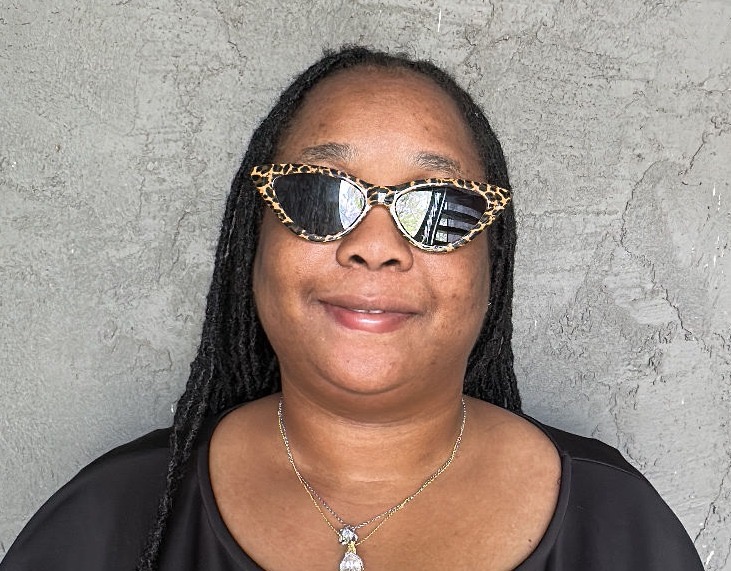
Author/Poet/Motivational Speaker/Entrepreneur/Podcast Host/Pageant Titleholder/Advocate/Women's Empowerment Coach/Mom
Blaque Diamond is a powerhouse of resilience, creativity, and purpose. Known as a motivational speaker, award-winning author, poet, podcaster, and advocate, she has transformed a life marked by adversity into a mission rooted in empowerment, visibility, and hope.
Blind since the age of 15 due to childhood abuse and medical neglect that resulted in irreversible retinal detachment, Blaque Diamond refused to let her circumstances define her limitations. Instead, she embraced her journey with courage and faith, earning the nickname “No Limits” for her unwavering belief that obstacles are not stop signs—but stepping stones.
Also being a survivor of sexual abuse and a 2x time domestic violence survivor, marred her life with strife and tested her endurance and ability to bounce back, but those traumas that were meant to break her only further harden her. Making her unbreakable.
She is a 15-time published author, having written books across multiple genres including memoir, poetry, urban fiction, and children’s literature. Several of her works have received national awards, further solidifying her voice as one that both challenges and inspires. Her writing is deeply personal yet universally relatable, often centering themes of healing, self-worth, survival, and triumph.
Beyond writing and self-publishing books,, Blaque Diamond is also a songwriter, having released 3 R&B EP’s with music that reflects emotional depth, vulnerability, and growth. Each creative outlet she touches becomes another avenue for storytelling and empowerment.
As the host and creator of … Read More